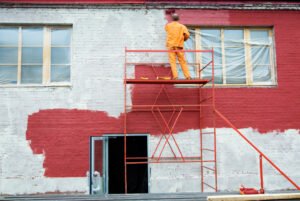
Repainting a retail space can give it new life, but it isn’t always easy to do while keeping the business open. Customers are still coming through the door, workers need room to move, and the space needs to look clean and feel safe. That’s why we take special care in planning every step of a retail repaint.
With the right approach to commercial painting, it’s possible to update walls, ceilings, and other surfaces without throwing off the flow of your business. A little planning goes a long way here. By thinking ahead and working smart, we help stores keep their doors open and their sales steady through the whole process.
Plan Ahead to Avoid Surprises
It’s always better to prepare early so there aren’t any last-minute disruptions. Before we start any work, we take a close look at how the retail space functions day to day.
Here’s how early planning sets the stage for a smoother job:
- Walk the store with the repaint in mind. We look for high-traffic spots, smaller spaces that may get crowded, and any areas with sensitive display setups.
- Choose painting times that match your business flow. Slower times during the week or hours when foot traffic dips are good places to start.
- Make it clear which areas are off limits. Using signs, cones, or temporary barriers helps keep both shoppers and workers safe while still allowing normal shopping in other parts of the store.
Setting the plan right from the start helps the project stay on track and lets everyone know what to expect.
Work in Phases, Not All at Once
Trying to paint the whole store in one shot usually doesn’t go very well. That kind of plan leads to blockages, confusion, and unhappy customers. Working in smaller sections is the better choice.
Breaking a project into phases gives us more control:
- We divide the store into zones, painting one area at a time. The rest of the store can stay open, which helps keep things moving.
- Each zone gets clearly marked, with taped-off areas and print signs, so shoppers don’t wander into wet-paint zones by mistake.
- Between each phase, we check that the previous space is dry and ready before opening it back up. Rushing dries or overlapping wet and dry zones can cause issues.
This kind of step-by-step approach means less confusion, cleaner results, and a better experience all around.
Keep Noise, Smell, and Distraction in Check
Customers may not mind a little work going on in the background, but it becomes a problem when paint smells linger or noise takes over the space. With retail spaces, we make adjustments to keep the atmosphere comfortable.
To help keep things calm and normal:
- We choose low-odor, low-VOC paints whenever possible to reduce lingering smells.
- Noisy prep work like sanding or scraping is done during closed hours, so customers aren’t trying to shop through the racket.
- Tools, gear, and supplies stay organized and off the main shopping floor. Clean, tidy work zones make a big difference in how a repaint feels to customers and workers.
By staying quiet and clean, we’re able to get the job done without becoming a distraction.
Protect Products, Floors, and Fixtures
Stores carry a lot of merchandise, and many areas can’t be moved for painting. That’s why part of the job is figuring out what needs total protection and what can be shifted temporarily.
Here’s how we keep store interiors safe while we work:
- Inventory is moved away from painting zones when possible. If it stays, we use plastic coverings to guard against dust or accidents.
- Drop cloths and tape are used to shield aisles, flooring, and surfaces that aren’t being painted.
- For larger fixtures, early communication helps figure out whether they can be shifted slightly or covered in place.
The goal is to leave the store looking just as sharp when we finish as it did before we started, just with fresher walls and tighter lines.
Choose the Right Painters for Retail Environments
Not all painting crews are built for working in active stores. Retail repaint jobs aren’t just about getting color on the walls. They take timing, patience, and clear communication from start to finish.
We are a licensed, bonded, and insured contractor, and our commercial services include interior and exterior painting, drywall repair, and light carpentry for businesses throughout the Tacoma area.
Here’s what to look for when the space needs professional repainting during business hours:
- Ask if the crew has done commercial repaints while stores were open. It’s a different type of job and not everyone handles it well.
- Make sure they explain how scheduling works. Will there be check-ins during the project? How do they handle small delays?
- Look for those willing to work quietly and cleanly. Crew members should be just as focused on safety and respect for the space as they are on the painting itself.
Having an experienced team that understands active retail work can make or break the entire repaint.
A Fresh Look Without Losing a Sale
Retail repaints don’t need to bring the store to a stop. With some thoughtful planning and a clear process, any store can refresh its space without missing days of business. Working in sections, keeping areas clean, and cutting down on noise and smells all help protect the shopping experience while the work gets done.
A clean coat of paint brings new life to the space. Shoppers feel it when the walls are fresh, the lighting reflects better, and the overall appearance feels tidy. By keeping the project focused and interruption-free, we help retail stores stay sharp and open, even while undergoing changes.
At Grit City Painters, we know how much a smooth painting process matters when your retail business needs an update. Whether you operate a small corner shop or a larger commercial property, staying open during work requires thoughtful planning, careful organization, and precise execution. Contact us to get started on your next commercial painting project.