
When it comes to commercial painting in Tacoma, it’s not just about a fresh coat of paint. Local rules and permits play a big part in how the job gets done. These regulations aren’t just paperwork. They help make sure the work is safe, legal, and fits the city’s standards. Whether it’s a full exterior refresh or a minor update inside, business owners need to know what’s required before getting started.
In many cases, a permit is a must. It helps avoid delays, fines, or needing to redo work later. Since Tacoma has a mix of older buildings, active retail spaces, and changing weather patterns, a little planning goes a long way. Knowing what to look out for makes for smoother projects and fewer headaches later on.
Understanding When a Permit Is Required
Not all painting jobs need a permit, but many commercial ones do. The deciding factor often depends on where the work is happening and what type of building is involved.
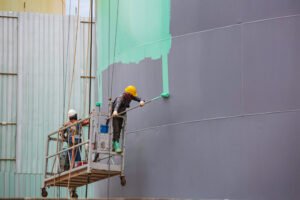
Exterior painting for commercial properties usually raises more concerns. That’s especially true when scaffolding is needed or any part of the job changes the building’s appearance. For example, painting over a mural or changing the look of a storefront canopy might call for approval.
Interior painting is often easier, but there are exceptions. If the job involves work that affects fire codes, ventilation, or ADA compliance, then the city may want to take a closer look.
Here are a few common situations where a permit might be required in Tacoma:
- Painting in an official historic district or on a registered landmark
- Large-scale updates that involve siding repairs or structural improvements
- Projects in buildings with public access like restaurants, retail, or medical offices
It’s not just about the act of painting. If the job changes something visible or functional on a commercial building, a permit often comes into play.
Who Sets the Rules for Commercial Painting in Tacoma
Several local offices help decide what kind of work needs approval. Tacoma’s Planning and Development Services Department is usually the go-to for building permits and code enforcement. They help interpret zoning rules, safety standards, and building types.
If a project is downtown or in a neighborhood with older architecture, the Landmarks Preservation Commission might get involved. They oversee protecting Tacoma’s historical character and have extra input in how updates can look.
The kind of building also shifts the rules. Commercial buildings used for retail, industrial purposes, or public access often need to follow stricter requirements. The same goes for buildings with mixed-use spaces, such as apartments over storefronts.
Knowing which agency to check with can save time and avoid filing the wrong application.
What to Expect During the Permit Process
Once it’s determined that a permit is required, the timeline really depends on the scope of the project. Most steps begin with an online submission through Tacoma’s permitting portal. That’s where applicants upload any drawings, work descriptions, and photos showing the proposed changes.
Here’s what to prepare before submitting a painting permit application:
- A clear description of the work, including any changes to exterior color or materials
- Photos or mock-ups showing the building’s current and proposed look
- Proof that the application meets Tacoma’s zoning and design codes
During spring, timelines can stretch out. The city offices may receive more permit requests as warmer weather invites outdoor work. Having everything ready at once helps to avoid back-and-forth delays.
Why It Matters to Follow Local Regulations
Skipping the permit process is risky. The city can stop the work mid-project if it’s not approved, which pushes everything back and adds extra costs. Retroactive permits are harder to get and sometimes come with penalties.
Following Tacoma’s rules does more than help avoid fines; it helps protect the building, the business, and whoever uses the space. For example, updated paint on a retail shop that meets local codes is more likely to pass future inspections and less likely to need early repairs.
By planning our commercial painting work with legal requirements in mind, we are protecting the long-term value of the property. It’s not just about meeting standards, it’s about keeping everything on track without surprises.
Smart Timing for Spring Projects in Tacoma
As the chill of winter fades, spring brings better weather and more predictable conditions. That makes it one of the easiest times to start outdoor commercial painting projects. It’s also a good time to file permit applications. Offices are fully staffed again and projects can move more quickly without winter storms causing delays.
Here are a few tips to make the most of the spring painting season in Tacoma:
- Submit permit forms early in the season, before demand peaks
- Watch the weather forecast to line up dry, mild days for exterior projects
- Double check if the building falls under special historic rules that could slow down approvals
By planning ahead and using this weather window, we’re better set up to follow the rules and finish on time.
Getting It Right from Start to Finish
Starting a commercial painting project without checking the rules can stall progress and lead to surprise costs. Taking the time to learn what local permits cover means fewer headaches as the work moves forward. In a city like Tacoma, where weather and history both play a role in building guidelines, knowing what applies is an important first step.
Spring is a strong time to start commercial painting, but it works best when paired with early planning and a permit-ready approach. It keeps everything moving smoothly from first coat to final inspection and helps avoid common setbacks with a little preparation up front.
At Grit City Painters, we understand how important it is to plan carefully and follow all local requirements before starting any large-scale paint job. Permits can slow the process if you’re not prepared, especially when working on older properties or high-traffic buildings, and knowing how Tacoma rules apply is important whether you’re painting a retail space, office, or industrial property.
Planning a spring project and want to learn more about commercial painting? We’re here to help. Give us a call to talk through the next steps.