
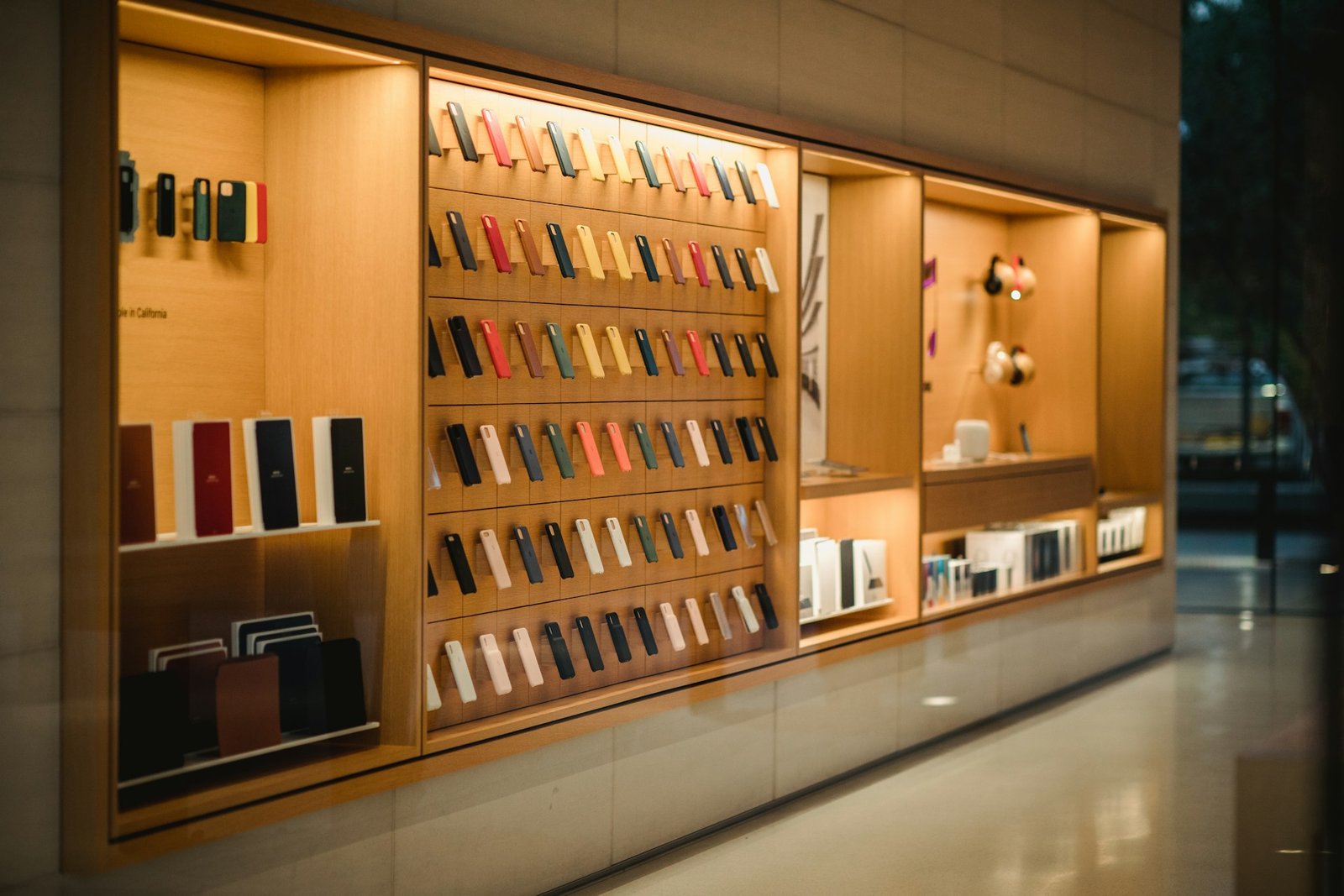
Retail spaces can be tricky during commercial painting projects. With shelves full of products, built-in fixtures, and a need to keep the store running smoothly, the pressure is on to keep everything safe and clean. Unlike an empty office or a closed warehouse, most retail stores cannot simply pause operations.
That is why planning matters so much. High-traffic areas make it harder to protect surfaces and displays. Some fixtures are bolted down or too delicate to move. Whether it is shelving, racks, or feature displays, there must be a plan to keep them protected every step of the way. Choosing a good approach during commercial painting makes the difference between a smooth job and a project full of trouble.
Keeping the Store Layout in Mind
Before moving things or covering displays, it is important to look around. A quick walkthrough helps clarify the way the space is used. Every store has its own flow. Some aisles get more foot traffic. Others are packed tightly with fragile or fixed pieces.
To prepare ahead, we:
• Take a walkthrough of the space with the store manager
• Note any displays anchored to the floor or walls
• Identify areas with power cords, lighting, or electronics built into fixtures
From there, we figure out what must stay in place and what can be temporarily moved. We also check with staff about delivery schedules, peak hours, or special promotions that could affect timing. A clear conversation before starting can avoid problems later.
Covering and Securing Fixtures Properly
Once the layout is mapped, we start protecting the things that need to stay in place. Shelves, endcaps, and glass-cased displays all need careful covering. Rushed work here can lead to paint splatter on merchandise or damage to delicate materials.
Here is how we handle it:
• Use heavy-duty plastic or canvas drop cloths to fully cover fixtures
• Secure materials with painter’s tape that will not leave a residue
• Wrap tightly around corners and edges where dust can get through
Even when covered, some fixtures still need to be accessed by staff. Registers or storage bins may still be used during painting. In those cases, we leave an access point that can be resealed after use. The idea is to protect what is underneath while keeping retail operations going when possible.
Planning Painting Zones to Minimize Disruption
Large painting jobs do not have to stop business completely. When possible, we break the job into smaller zones. This helps reduce disruption and keeps open areas safe for visitors and staff. If closing the entire space is not an option, sectioning it off is the next best step.
We create a phased plan by:
• Dividing the store into smaller zones and painting one at a time
• Working after hours or during slow periods like early morning or midweek
• Using temporary barriers like plastic curtains or mobile partitions to close off painted areas
Clear signs are useful. When people know which areas are off-limits, they are more likely to avoid them. Marking wet surfaces and freshly painted zones helps keep things safe and prevents rework from accidental smudges or spills.
Ventilation and Dust Control During the Project
Retail stores often have narrow ceilings, limited airflow, and products that do not mix well with dust or fumes. That is why air quality and clean preparation are important. Even routine steps like sanding or masking can raise dust onto nearby shelves or vents.
We reduce the mess by:
• Using vented fans or open doors to keep air moving
• Installing air filters during sanding or spray painting
• Wrapping sensitive displays when the work zone is nearby
It is important to check where the vents lead. Paint dust that settles into ceiling registers can spread throughout the store if not properly sealed. We cover every nearby surface and keep electronics or lighting fixtures protected until painting is complete and the area has been cleaned up.
Working With a Commercial Painting Crew That Understands Retail
Not every painting job is the same, and that is especially true in retail. These projects require more than basic prep and a clean coat of paint. Working around customers, store hours, and valuable displays involves careful planning and adaptability. We are licensed, bonded, and insured, and provide commercial interior and exterior painting and carpentry services for businesses in the Tacoma area.
A crew familiar with retail painting will:
• Communicate clearly with staff from start to finish
• Stay alert to safety near busy areas
• Move with care around products, displays, and people
Speed is useful but should not come at the cost of damage. That is why we balance efficiency with care. Skipping steps to finish fast typically results in more cleanup later. Experience allows us to work quickly while still maintaining high standards. Our crew follows PCA standards and draws on more than 30 years of industry experience to keep projects on track and professional.
Smooth Projects Mean Protected Fixtures
Protecting retail fixtures during commercial painting requires more than just using drop cloths. It starts with a solid plan. By understanding the layout, covering everything carefully, and working in clear phases, we keep the store looking good while the job is being done.
Proper steps help avoid delays, damage, and customer complaints. Preparation, communication, and well-thought-out planning make a visible difference. When the paint has dried, the store is ready to welcome customers without any disruption.
Planning a retail refresh and want work carried out with minimal disruption? At Grit City Painters, we take every part of your space into account from layout planning to fixture protection before paint touches the wall. Our experience with active storefronts helps us handle the details that safeguard products, staff, and customers. Learn more about our approach to commercial painting projects by contacting us today.